Jobs on Web Redesign
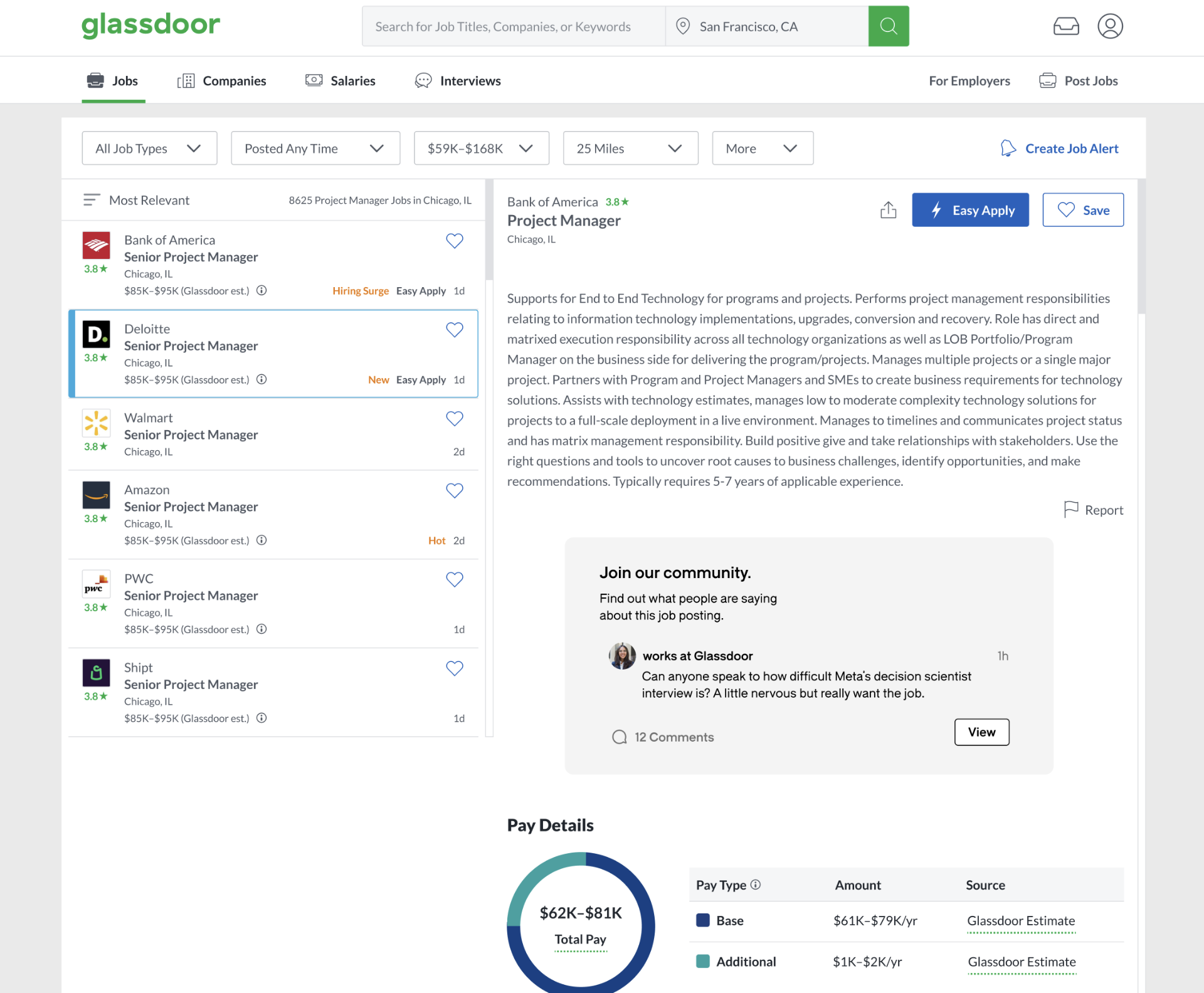
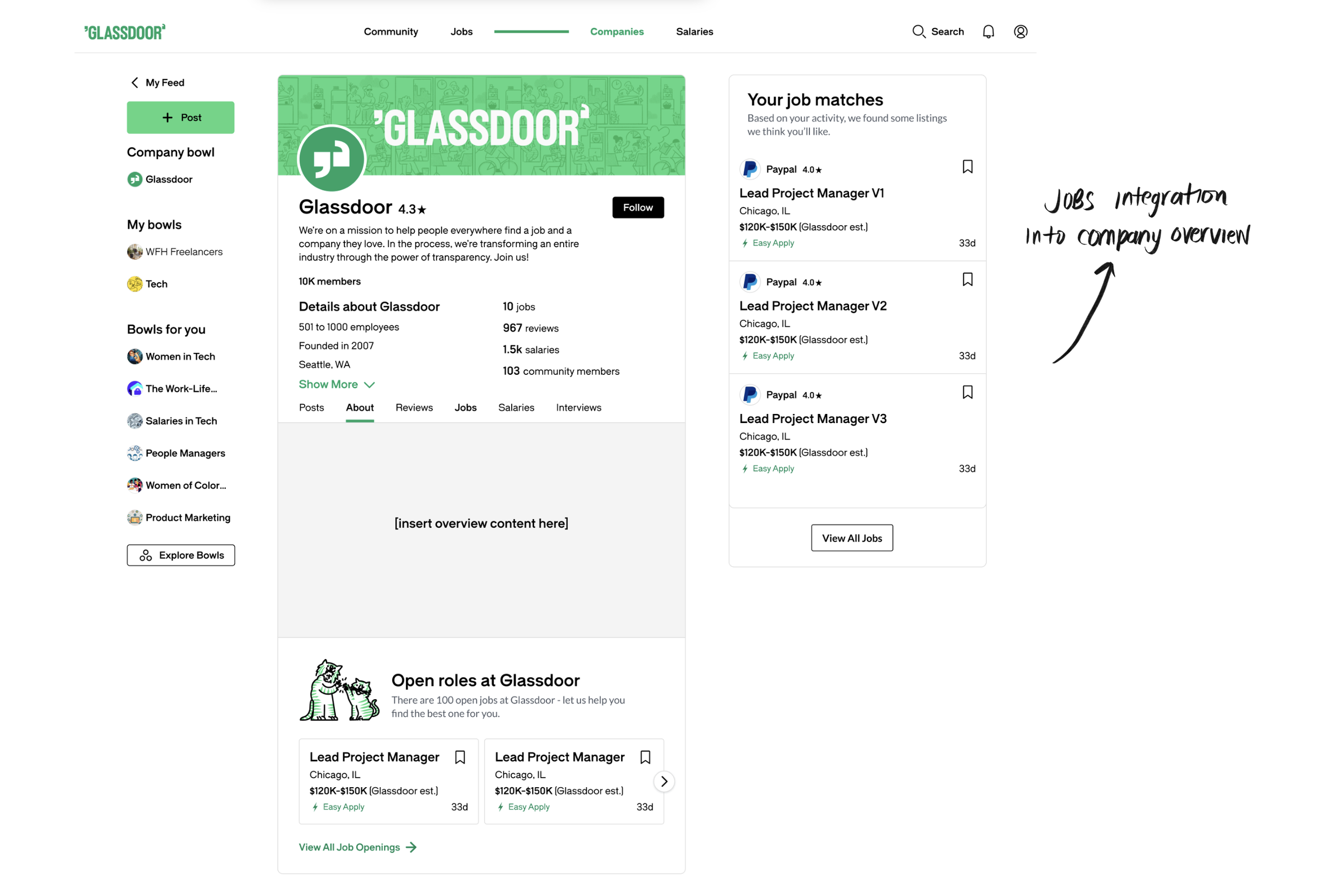
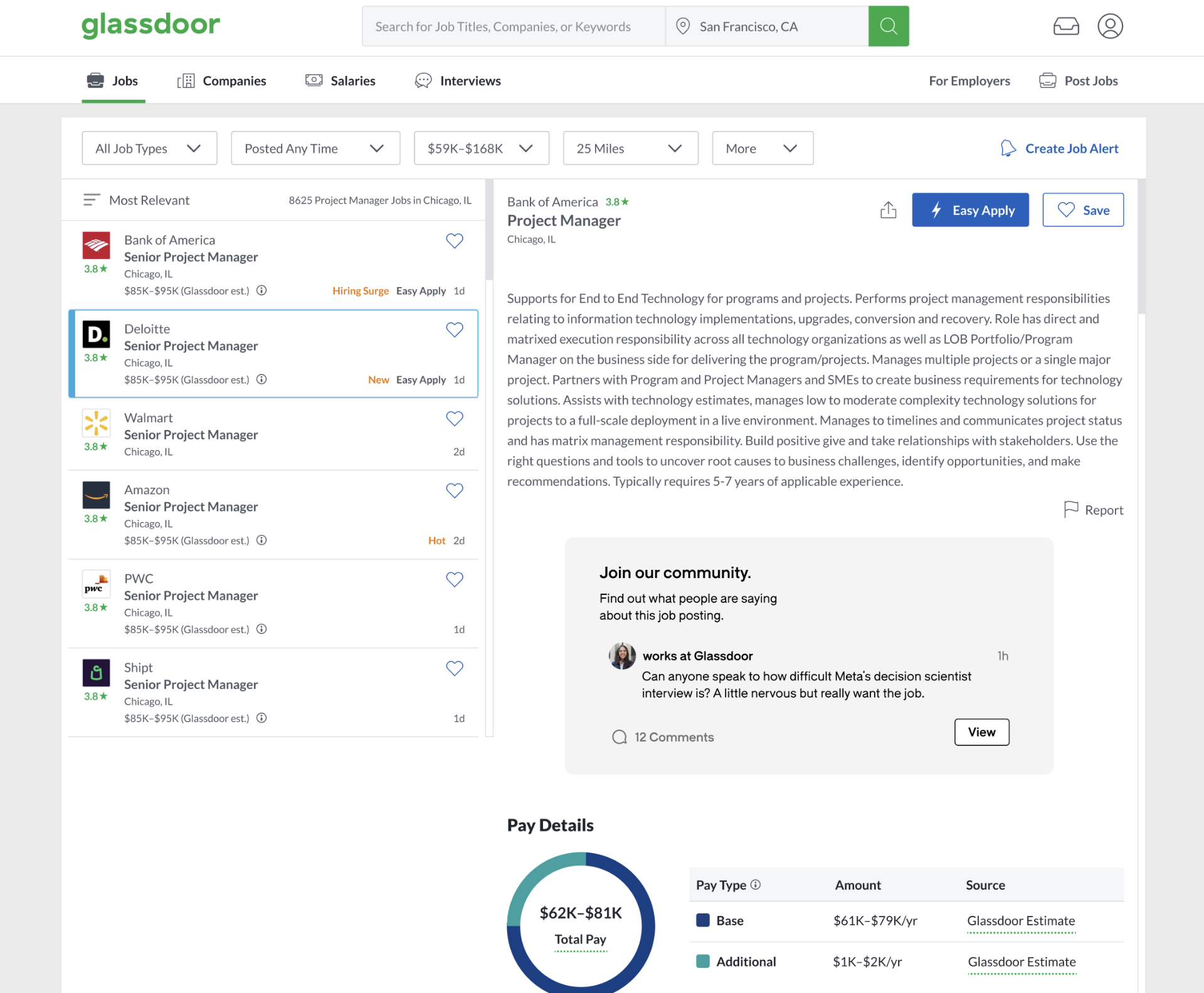
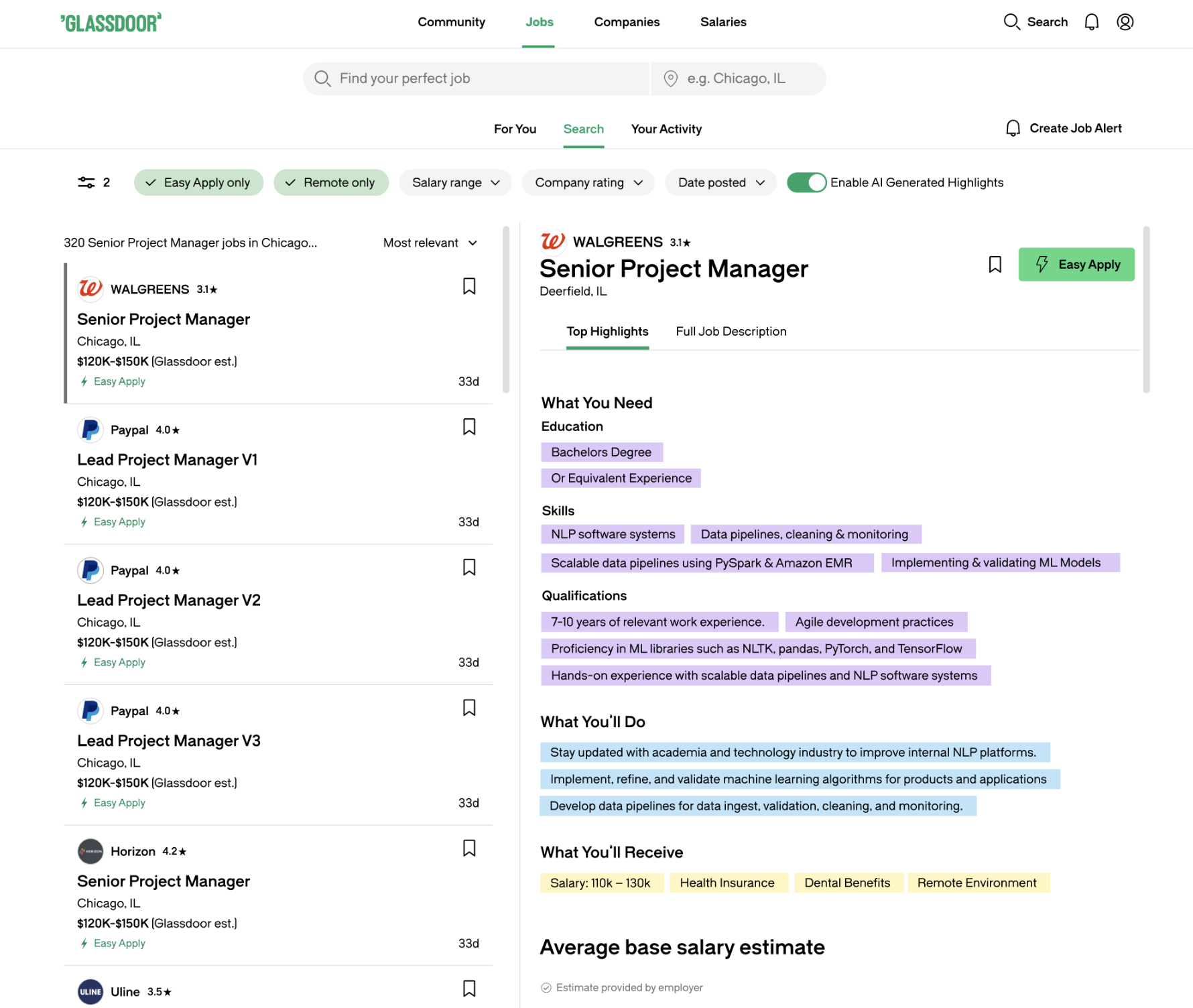
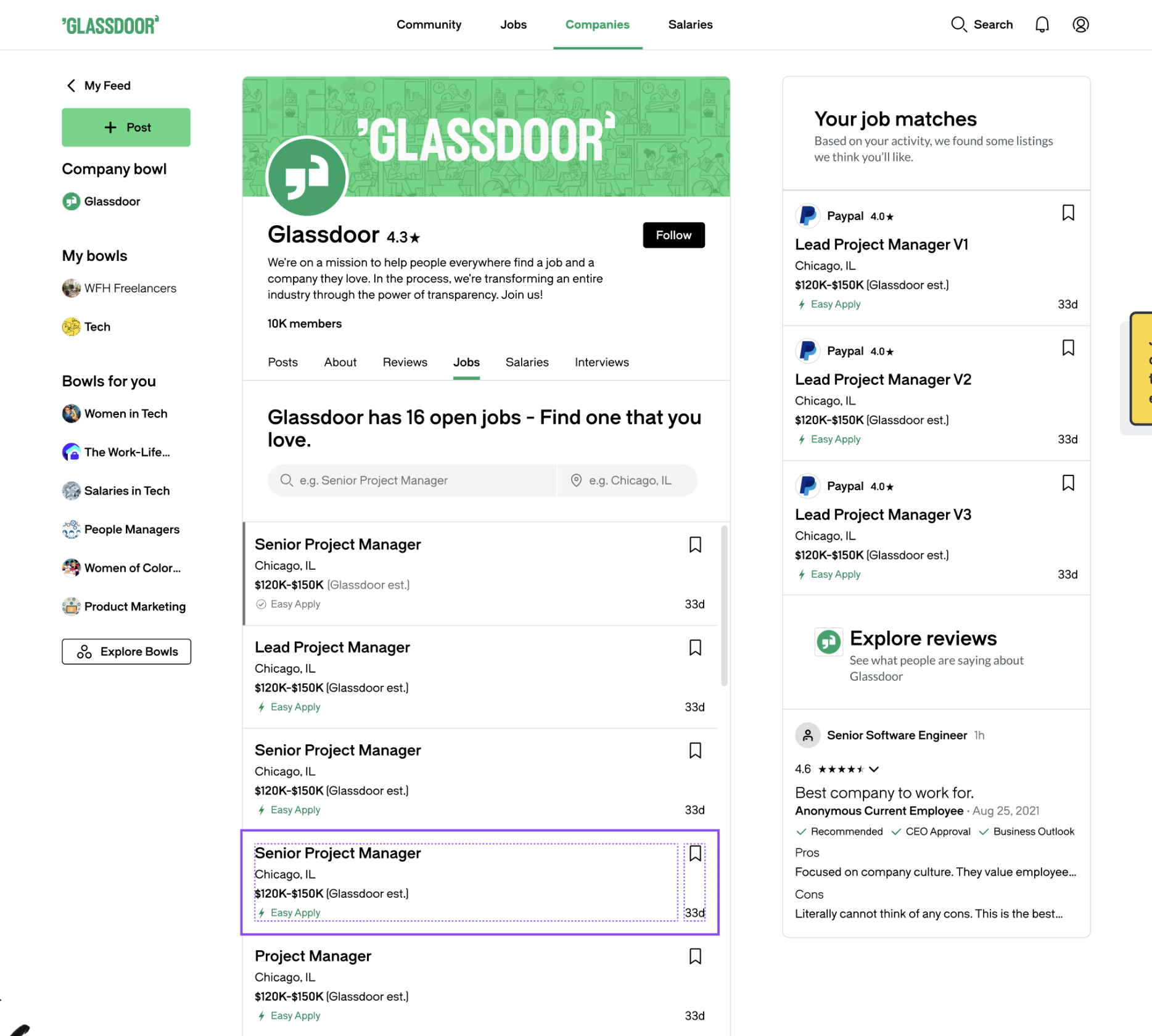
Led the redesign of the jobs detail pages on web, as well as the designs for the AI integration features — generated conversation starters and TLDR summaries.
*please note certain information in this case study has been redacted.
The Problem
Job seekers often struggle to quickly understand whether a role is a good fit due to fragmented information, lengthy job descriptions, and unclear next steps. Our team set out to redesign the Job Details experience to make job evaluation faster, more intuitive, and more actionable while introducing AI-powered features that help users digest information more efficiently.
Objectives
Reimagine the Job Details information architecture to improve content discoverability and decision-making
Design a scalable web experience that helps users quickly assess role fit and key job information
Integrate AI-powered features, including generated conversation starters and TL;DR summaries, to reduce friction and increase engagement
Create a cohesive experience that balances rich job content with personalized AI assistance
Scope
Research, Synthesis, Redesign
Tools
Figma, Miro, FigJam
Role
Prototyping, UX/UI Design
Team
Design
Duration
12 weeks
Research Methods
What methods of UX research did we use to help drive clarity and focus to our solution, and why?
01 — User Interviews
To understand how job seekers evaluate opportunities, we conducted interviews with active job seekers across different stages of their search journey. These conversations uncovered key pain points around navigating lengthy job descriptions, understanding role fit, and preparing for applications and interviews. The findings helped define priorities for both the information architecture redesign and future AI-assisted experiences
02 — Behavioral Data Analysis
To validate our qualitative findings, we analyzed user behavior across the Job Details experience using product analytics, session recordings, and engagement metrics. We identified where users spent the most time, where they dropped off, and which content was most valuable in the decision-making process. These insights informed the restructuring of content hierarchy and highlighted opportunities for AI-generated summaries and conversation starters
Job seekers often feel overwhelmed by long, unstructured job descriptions and struggle to identify the most important information quickly
Users want to evaluate role fit within the first few moments of landing on a job posting, before investing time reading the full description
Many users scan content before reading in depth, creating an opportunity for summarized and prioritized information
Users value guidance throughout the job search journey, creating opportunities for AI-generated conversation starters that help them prepare for interviews and networking conversations
From these insights, we restructured the Job Details information architecture around user decision-making, simplified content hierarchy, and explored AI-powered features that helped users quickly understand opportunities and take the next step in their job search.
The Process
Initial Research + Problem Validation
03 — AI Feature Validation
As part of the AI integration work, we explored how generative AI could help users digest information more efficiently and prepare for career conversations. We evaluated concepts such as TL;DR job summaries and generated conversation starters, testing whether they increased comprehension, confidence, and engagement without overwhelming the core job search experience
Key Findings

The Solution
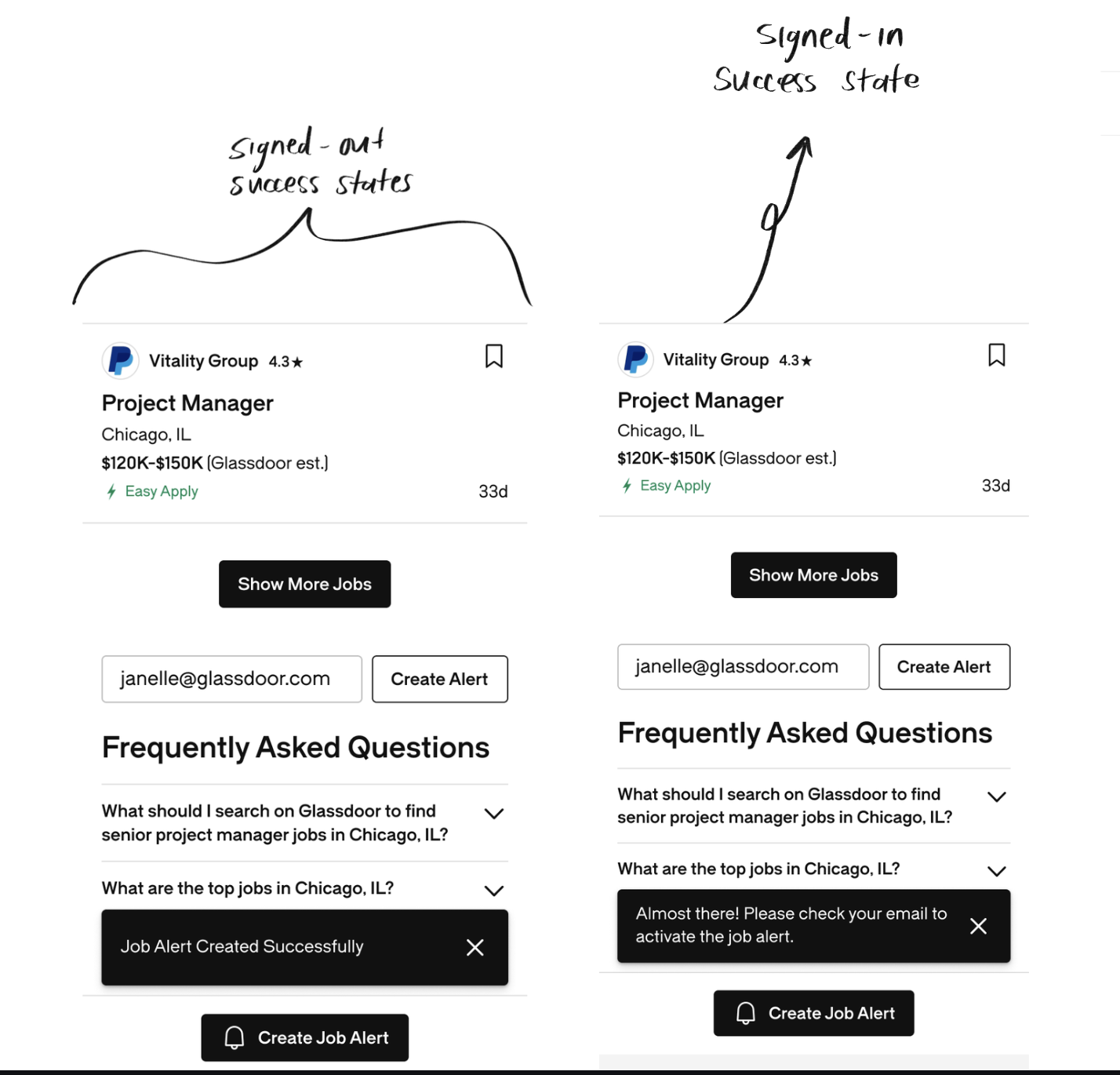
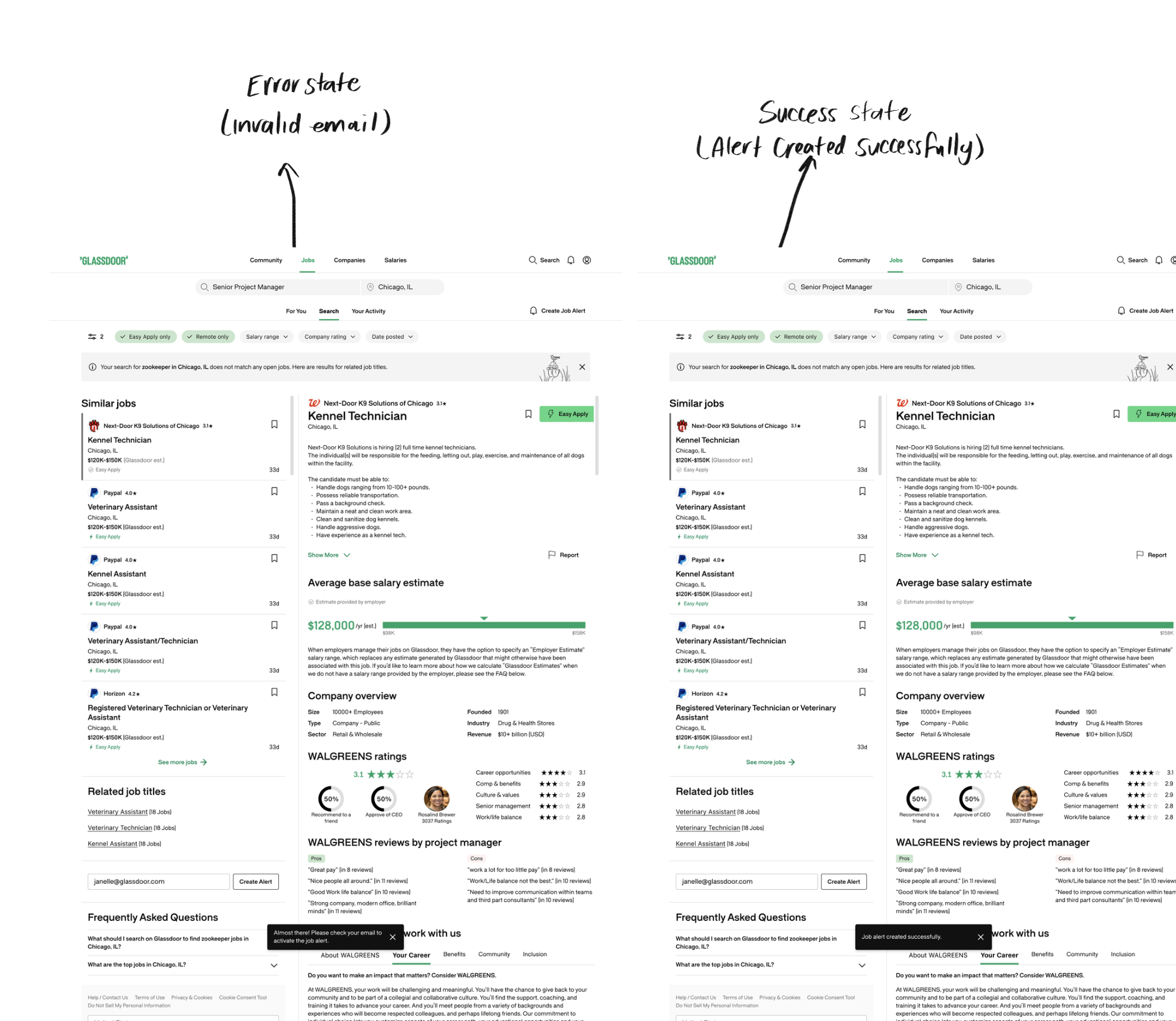
We reimagined the Job Details experience by restructuring its information architecture around how job seekers evaluate opportunities. Alongside the redesign, we introduced AI-powered TL;DR summaries and conversation starters that helped users quickly digest information, assess role fit, and confidently take the next step in their job search.
Key Takeaways
Information architecture is a product feature
Reorganizing content can have as much impact as introducing new functionality. By restructuring the Job Details experience around user decision-making rather than employer-generated content, we made it easier for job seekers to quickly evaluate opportunities and find the information most relevant to them
AI works best when it removes friction
Rather than replacing the job search experience, the most valuable AI features were those that reduced cognitive load. TL;DR summaries and conversation starters helped users digest information faster and feel more confident taking action, while keeping the original content accessible and transparent..